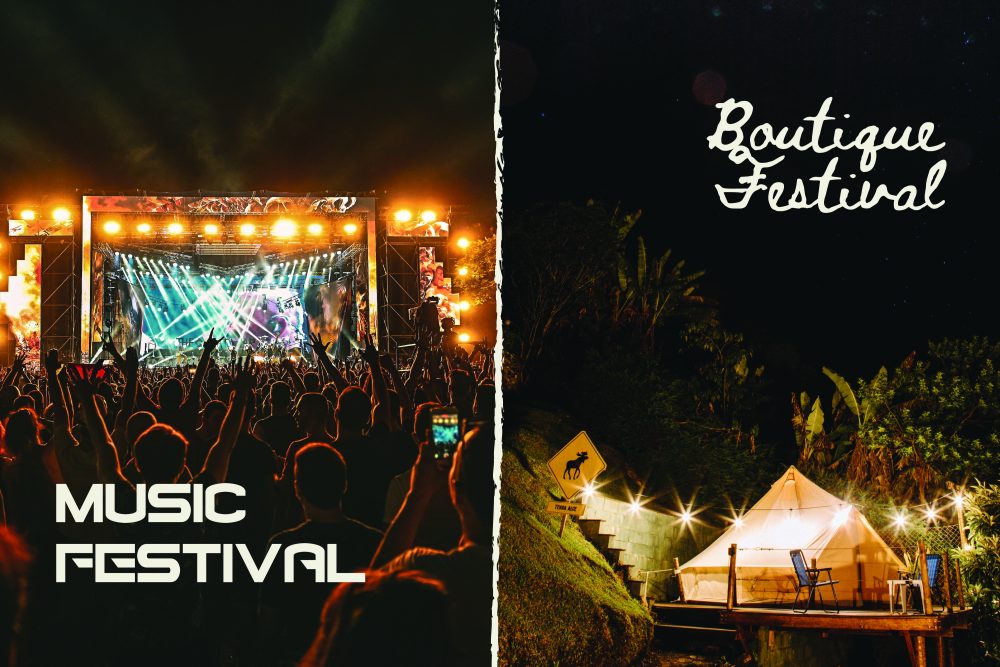
The short answer: a large music festival is built around the line-up, with big stages, big crowds and big-name headliners. A boutique festival is built around the whole experience — the setting, the décor, the food, the workshops and the late-night oddities — with music as one part of it. Boutique festivals are typically under 20,000 capacity, cost more per head, and feel closer to a weekend away than a gig.
"Boutique" isn't an official category and nobody polices the term, but there is a genuine and consistent difference in what you get. Here's how they compare across the things that matter.
Scale
Large music festivals run from 20,000 to over 200,000 people. Boutique festivals are usually 2,000–20,000. That single number cascades into almost every other difference: walking distances, queue lengths, how easy it is to find your friends, how loud the campsite is and whether you recognise anyone by Sunday.
What the money buys
Big festivals spend the bulk of the budget on booking fees for headliners. Boutique festivals spend it on the site: lighting in the woods, art installations, a lake with a sauna, a spiegeltent, a good food line-up, better toilets.
Per-day ticket prices are often similar or higher at boutique festivals despite far smaller names on the poster, which surprises people. What you're paying for is a better-appointed site and fewer people in it.
Programming
Large festival: multiple large stages running in parallel, a clear headline slot each night, and a schedule you plan around. Clashes are the defining problem.
Boutique festival: a smaller main stage plus a lot of other things – comedy, spoken word, cabaret, talks, wild swimming, yoga, craft workshops, kids' activities, film screenings, late-night woodland DJs. The defining experience is wandering and stumbling on something.
The crowd
Boutique festivals tend to skew slightly older and much more mixed in age, with a lot of families and groups of friends in their thirties and forties. Large festivals, particularly the ones with pop and dance-heavy line-ups, skew younger. Neither is universal – there are boutique festivals full of twenty-somethings and huge festivals full of families – but the tendency is real.
Camping
At a boutique festival the campsite is usually a five-minute walk from the arena, and the whole site can be crossed in fifteen minutes. At a big festival the walk from tent to main stage can be half an hour, and campsites are effectively separate villages with their own bars and stages.
Boutique festivals also tend to have better facilities per head: more toilets, compost loos rather than portaloos, free showers, and often no need to queue at the bar.
Practical differences worth knowing
- Sound curfews. Smaller rural festivals often have stricter licensing conditions, so the music may stop earlier than you expect.
- Getting there. Big festivals run extensive coach networks; boutique festivals may have none, making a car or lift share more or less essential.
- Tickets. Boutique festivals frequently sell out on reputation before any line-up is announced, so the buying decision comes earlier.
- Weather resilience. A smaller site with more indoor and covered spaces copes much better with a wet weekend.
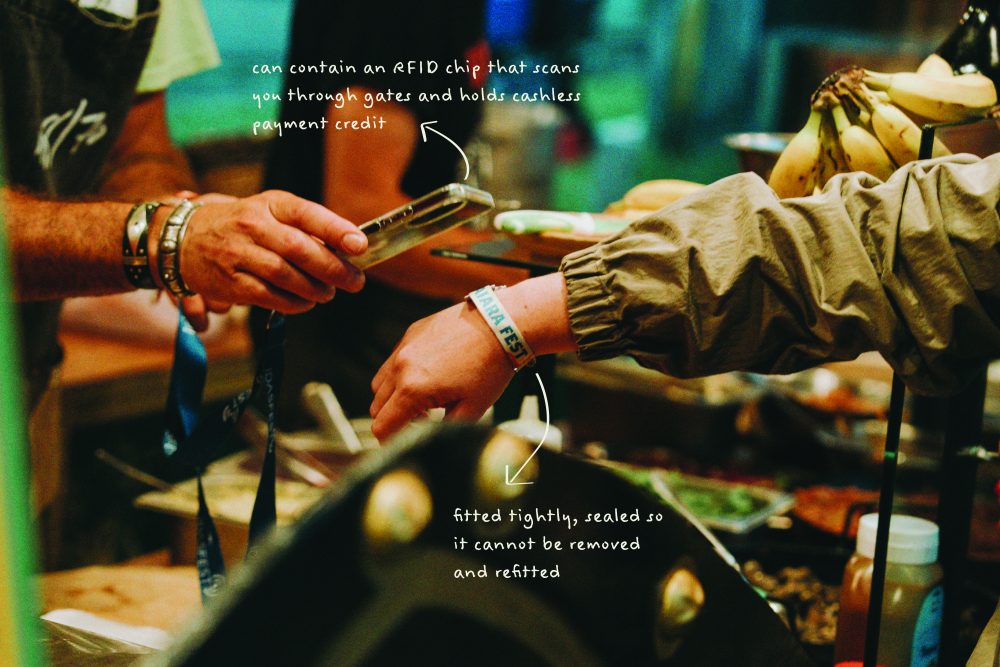
- Cashless. Large festivals are almost all cashless now; smaller ones often still take cash, and independent traders may prefer it.
Which should you choose?
Go large if: there are specific big-name acts you want to see, you want the sheer spectacle of a main stage crowd, you like the energy of a huge site, or you want a wide choice of music every hour of the day.
Go boutique if: crowds and queues wear you down, you want to try things beyond music, you're going with children, you value comfort and facilities, or you'd rather discover new acts than tick off famous ones.
Worth knowing: many people who think they dislike festivals actually dislike large festivals. If a big one has put you off, a boutique festival is a genuinely different proposition and worth one more try.
The other categories you'll come across
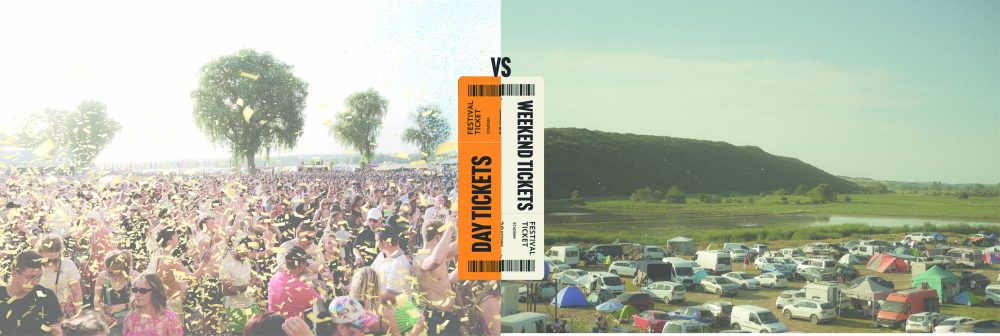
- Day festivals. Single-day, usually urban parks, no camping. Low commitment, high ticket price per hour.
- Genre festivals. Folk, metal, jazz, hip hop, classical, tribute. Can be any size, and the crowd knowledge is part of the appeal.
- Family festivals. Programmed around children, with early finishes and extensive kids' fields.
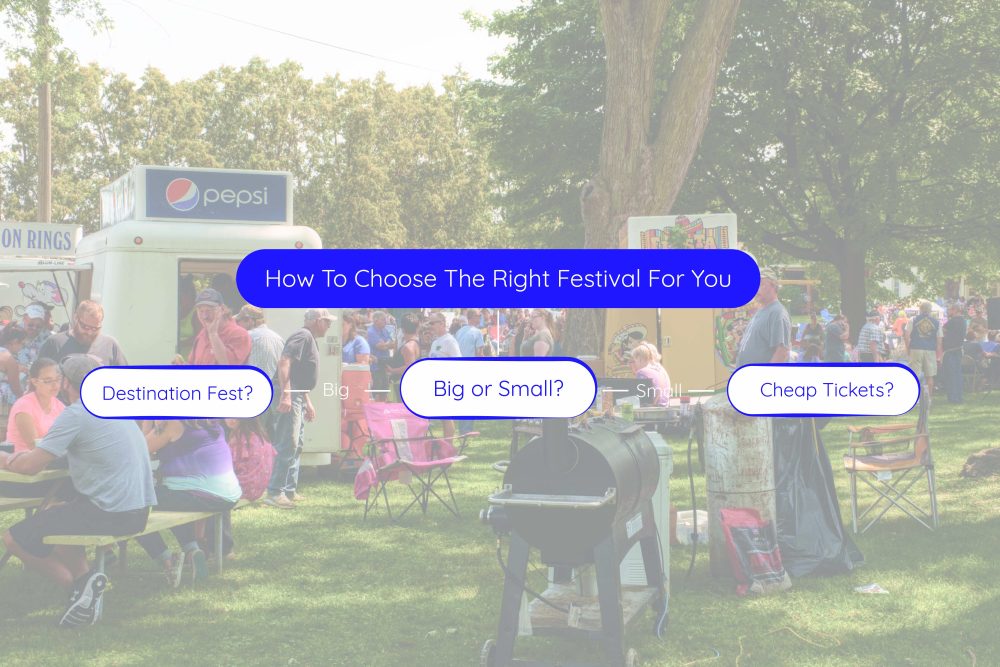
- Destination festivals. Held abroad or at a holiday resort, sold as a package with accommodation.
- Free and community festivals. Often council-run or volunteer-led, one day, local acts, no camping.
Frequently asked questions
Is boutique just a marketing word?
Partly, but there is a real cluster of features behind it: smaller capacity, more non-music programming, more investment in the site and facilities.
Are boutique festivals more expensive?
Often similar or slightly higher per day than a large festival, despite smaller names. The value is in the site and the facilities.
Are boutique festivals better for families?
Generally yes – shorter distances, quieter campsites and more daytime activities. Check whether the festival has a dedicated family field.
Can I take my kids to a big festival?
Yes, and many do. Look for one with a family campsite and a kids' field, and be realistic about the walking distances.